
How Is Mineral Leaching Processing Applied to Different Types of Metal Ores?
adminer
2026-04-07
What Is Mineral Leaching Processing and How Does It Work?
The Basic Principles Behind Mineral Leaching
Mineral leaching processing serves as a hydrometallurgical method that pulls out valuable metals from ores via chemical breakdown. The procedure requires soaking ground-up ore in a liquid that breaks down targeted metal substances. At the same time, it leaves behind unwanted materials. The success of this reaction relies on various elements like warmth, acidity level, and chemical strength. By adjusting these aspects, workers can improve metal retrieval. They also cut down on chemical use and waste output.
Key Steps in the Mineral Leaching Process
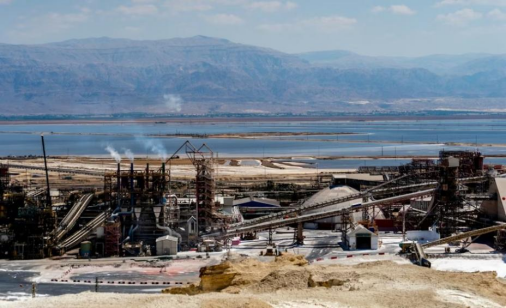
The mineral leaching workflow starts with breaking and milling to boost the ore’s contact area. This step ensures better interaction between bits and leaching chemicals. After preparation, the leach fluid flows through the ore pile or mixture. It breaks down certain metal particles into the wet phase. Then, this fluid—called the pregnant leach solution—gets gathered for cleaning or extra recovery methods. These include solvent pulling or settling.
Why Is Leaching Preferred Over Traditional Smelting?
Leaching provides clear benefits over smelting. It runs at cooler levels, so it needs less power. It can handle low-quality ores that smelting would make too costly. Plus, chemical actions happen in managed water setups. As a result, pollution stays low. This makes leaching a better choice for eco-friendly mining today.
How Does Mineral Leaching Differ Across Metal Ores?
Application of Leaching in Copper Ores
Copper pulling often uses acid-based leaching ways. Oxidized copper rocks like malachite and azurite break down easily in sulfuric acid mixes. They form workable copper sulfate groups. For tough sulfide rocks such as chalcopyrite, microbe-aided bioleaching adds tiny organisms. These speed up breakdown reactions to boost copper pull rates. This living method stretches the money value of low-quality sites. Meanwhile, it keeps green practices in place.
Cyanide Leaching for Gold and Silver Recovery
The leaching method stands as an effective approach widely used for pulling gold. In gold handling plants, cyanide liquids pick out gold and silver from ground ore stuff. The gold CIP process covers seven work stages: readying of leaching mix, cyanide breakdown, carbon pulling, gold-filled carbon release, electric split to get muddy gold, gold-free carbon reuse, and handling of leaching mix. During cyanidation, activated carbon enters the slurry. There, it grabs loose gold particles to create gold-filled carbon bits. In a sealed setup, gold-filled carbon can quickly release and split into muddy gold and weak carbon under hot and high-pressure states. This way ensures strong retrieval. At the same time, it keeps closed control to lower eco risks tied to cyanide use.
Ammonia and Chloride Leaching for Nickel and Cobalt Ores
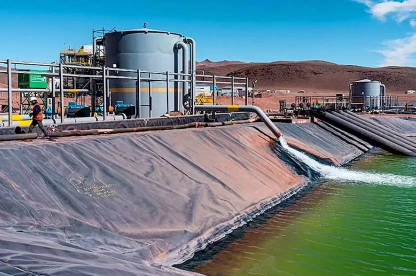
Lateritic nickel rocks usually need high-pressure breakdown with ammonia liquids to pull nickel away from iron-heavy minerals. For cobalt-holding stuff with tricky rock types, chloride setups get used to speed up breakdown speed under higher heat. These methods allow pulling from rocks with lots of unwanted parts. Otherwise, standard pulling paths would face big issues.
What Factors Influence the Efficiency of Mineral Leaching Processing?
Ore Characteristics That Affect Metal Recovery Rates
Ore rock type decides which chemicals give the top breakdown speeds in mineral leaching processing. Small bit sizes show more surface for action. However, they might block liquid movement if packed too tight. Likewise, openness impacts flow ease—well-made ores let even liquid spread. But thick materials may need stirring or air help.
Process Conditions That Optimize Metal Extraction Efficiency
Temperature Control in Leach Systems
Warmer conditions usually speed up breakdown actions by raising particle movement. But they can also increase chemical use or spark unwanted side effects if not watched closely.
Reagent Selection and Concentration Management
Choosing right chemicals makes sure targeted metal pulling happens. It also limits trouble from waste rocks. Keeping ideal strengths avoids extra use and full metal breakdown failure.
Solution Flow Rate Optimization
Even flow over ore piles stops path-forming issues that cut contact between solid bits and liquid parts. Well-planned flow setups keep steady action conditions all through the work.
How Are Environmental Considerations Integrated into Modern Leaching Operations?
Waste Management and Effluent Treatment Strategies
Balancing tanks often get set up to handle acidic outflows before release or reuse in the flow. Solid leftovers go through steadying steps to block heavy metal escape during keeping or throwing away.
Recycling of Reagents and Water Resources
Sealed-loop paths let workers reclaim unused chemicals for later rounds. Water reuse greatly lowers total use amounts. It also shrinks the eco mark—a main point in green mineral handling plans.
How Is Hongji Mine Machinery Involved in Mineral Leaching Processing?
Overview of Hongji Mine Machinery’s Expertise in Leaching Technology
At Hongji Mine Machinery, we focus on building full mineral leaching setups fit for varied ore kinds. These include copper, gold, nickel, and cobalt uses. Our answers blend mechanical stirring parts with smart heat handling units and tuned liquid cycle designs. This leads to better output across all work sizes. We offer adjustable setups. Clients can tweak gear work based on exact metal needs.
Hongji Mine Machinery provides expert crusher, dryer, rotary kiln maker services. We also give free plans for whole production lines. This skill reaches right into our mineral leaching gear lineup. Here, we mix strong mechanical building with clever auto features for steady work in factory settings.
Equipment Solutions Offered by Hongji Mine Machinery
Heap Leaching Systems
Our heap leach builds are made for big-scale jobs dealing with low-quality ores well. They guarantee even spread of leaching liquid over ore piles via smart watering controls. These max out pull yields while holding steady flow speeds.
Agitated Tank Leaching Units
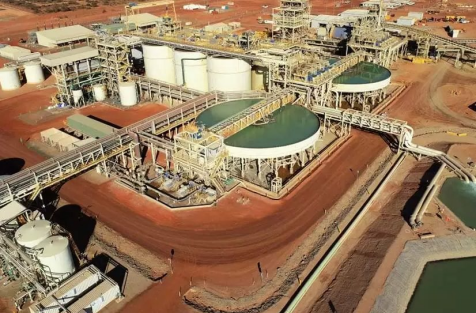
For tiny-grained or high-worth ores needing exact action control, our stirred tank systems give ongoing blending and air backing. This boosts breakdown speed in less wait times.
Continuous Monitoring and Automation Features
We add auto sensors that track acidity, heat changes, and chemical amounts live. Info-based input allows flexible process tweaks. Thus, it ensures steadiness over long runs. It also guards eco rule following.
FAQ
Q: What types of metals can be extracted using mineral leaching processing?
A: Mineral leaching is applicable to metals such as copper, gold, silver, nickel, cobalt, zinc, and uranium depending on the chemical system used.
Q: Is mineral leaching environmentally friendly compared to other extraction methods?
A: Yes. When properly managed it produces fewer emissions than smelting processes while enabling recovery from lower-grade ores with reduced waste generation levels.
Q: How does Hongji Mine Machinery ensure efficiency in its mineral leaching equipment?
A: We integrate automated control frameworks combined with optimized reactor geometries and adaptive reagent management strategies that collectively deliver high recovery performance alongside operational safety assurance within our mineral leaching processing systems.